Alesha: A Handwritten Font for Creative Branding and Design
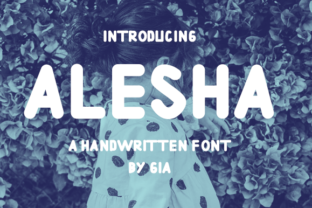
There’s something oddly satisfying about opening a blank brand board and letting the design process unfold. For a recent boutique identity project, I found myself staring at a white canvas, wondering which font would best capture the personality of the brand. That’s when I pulled out Alesha, a Script Handwritten Fonts that had been sitting in my digital font library for months. Its fun and clean style, created using a pencil and marker, felt like the perfect match for the project’s playful yet sophisticated vibe.
Alesha for Wedding Invitations and Elegant Branding
Wedding invitations are one of those design moments where the right font can make all the difference. I tested Alesha on a mockup for a local couple’s wedding, and it immediately stood out. The font’s handwritten feel gave the invitation a personal touch, while its clean lines ensured readability even in smaller sizes. It worked beautifully with the soft pastel colors and elegant layout, adding warmth without overwhelming the design.
Alesha is not just for weddings. It has that subtle sophistication that makes it ideal for branding projects that need to balance creativity with professionalism. I used it on a logo draft for a skincare brand, pairing it with a modern sans serif font to create a contrast that felt fresh and contemporary. The result was a logo that felt both approachable and refined, exactly what the client was looking for.
Alesha for Birthday Cards and Personalized Print Projects
When designing birthday cards, the goal is often to create something that feels handcrafted and heartfelt. Alesha excels in this space. Its fun and clean style made it a natural fit for a series of custom greeting cards I designed for a small handmade shop. The font’s playful curves and consistent spacing gave each card a cohesive look, while still allowing room for personalization.
I also tested Alesha on a set of printed postcards for a local bakery. The font’s legibility at smaller sizes was impressive, and its handwritten charm added a sense of authenticity that matched the brand’s cozy, artisanal vibe. It was clear that Alesha could handle both the whimsy and the practicality of these kinds of print projects.
Alesha for Comics and Editorial Design
Another project that benefited from Alesha was a comic book cover I was working on. The font’s unique style, created with a pencil and marker, gave the cover a hand-drawn energy that felt authentic and engaging. It worked well with the comic’s retro aesthetic, adding a layer of character that didn’t distract from the overall design.
In editorial design, Alesha can serve as a display font or headline font, drawing the eye without overpowering the content. I used it in a magazine layout, pairing it with a clean sans serif body text to maintain visual hierarchy. The contrast between the two fonts created a dynamic and balanced composition that felt intentional and stylish.
Alesha for Social Media Graphics and Web Design
Social media graphics require fonts that are both eye-catching and readable. I experimented with Alesha on a few Instagram posts and website headers, and it performed admirably. Its fun and clean style translated well to digital formats, making it a great choice for social media assets and web design elements.
One thing to note is that Alesha works best as an accent font or a short phrase font. While it can be used as a headline font, it may not be ideal for long body text due to its handwritten nature. That said, it’s a versatile Fonts that can adapt to different design needs, whether it’s for a website header or a social media graphic.
Alesha for Packaging and Product Labels
When designing packaging for a new line of artisanal candles, I needed a font that would convey both elegance and approachability. Alesha fit the bill perfectly. Its clean lines and slightly irregular shapes gave the packaging a handmade feel, while still maintaining a level of professionalism that aligned with the brand’s target audience.
I also used Alesha on product labels for a boutique tea company. The font’s readability at small sizes was impressive, and its handwritten charm added a personal touch that resonated with customers. It was clear that Alesha could handle both the functional and aesthetic aspects of these kinds of design projects.
Before using any font in final client work, I always recommend testing it in various contexts. Alesha is no exception. It’s important to consider how it looks on different platforms, in different sizes, and against different backgrounds. This will help ensure that the font maintains its integrity and effectiveness across all design assets.
Finally, don’t forget to check the commercial font licensing before using Alesha in client work, especially if it’s being used for brand identity, packaging, templates, websites, or print-on-demand products. Ensuring proper licensing is essential for both legal compliance and professional credibility.