Faceback: A Font That Adds Character to Every Craft Project
One rainy afternoon, I was working on a set of candle labels for my small handmade shop. I needed something that felt personal, yet professional—something that would stand out on the shelf but still feel approachable. That’s when I stumbled upon Faceback. This unique svg font with a brushed texture brought a new kind of charm to my designs, and it quickly became a staple in my creative toolkit.
Faceback for Handmade Labels and Product Tags
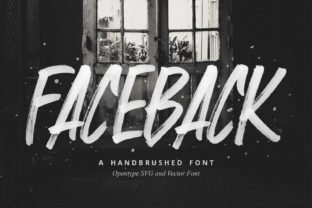
Faceback is more than just a font—it’s a style. Its brushed texture adds a tactile quality that makes text feel like it’s been hand-drawn, giving your product labels a warm, artisanal vibe. Whether you're designing tags for mugs, packaging for boutique goods, or printable wall art, Faceback adds a subtle roughness that feels authentic and inviting.
I’ve used Faceback to create labels for my candles, and the difference it made was immediate. The font’s level of accuracy is very sharp, which means it looks great both on screen and when printed. It’s perfect for short phrases, names, and titles, making it ideal for product tags and signage. When paired with a clean sans serif font, it creates a nice contrast that keeps the design balanced.
Faceback for Wedding Invitations and Elegant Branding
Wedding invitations are a big part of my seasonal work, and I always look for fonts that can convey both elegance and personality. Faceback fits the bill perfectly. Its brushed texture gives a sense of craftsmanship that feels right at home in wedding stationery. I’ve used it for welcome boards, thank-you notes, and even digital templates for couples who want a touch of rustic charm in their event branding.
The font’s versatility allows it to be used in different ways—sometimes as a display font for headings, other times as a decorative element for accents. I’ve found that using Faceback in combination with a simple serif or script font enhances its visual appeal without overwhelming the design. It’s also great for creating mockups that feel like they’re ready to be printed and sold.
Faceback for Stickers and Seasonal Crafts
Stickers are one of my favorite products to make, and Faceback has become a go-to choice for creating custom sticker sheets. The font’s texture works well with cutting machines, and its clarity ensures that even small stickers look crisp and professional. I’ve used it for holiday tags, farmhouse signs, and even printable wall art that customers can use in their homes.
When designing stickers, readability is key. I always test Faceback on different sizes and backgrounds to make sure it remains legible. For smaller stickers, I often pair it with a bold display font to ensure the text stands out. The font’s level of accuracy is very sharp, which is especially important when printing on glossy or matte finishes.
Faceback for Digital Printables and Web Design
As a printable creator, I know how important it is to have fonts that look great both online and when printed. Faceback is a Color Fonts option that delivers on this promise. It’s perfect for digital downloads, whether you’re creating planners, social media graphics, or web banners. The font’s brushed texture adds a unique character that helps your designs stand out in a crowded marketplace.
Faceback is also great for web design projects. Its SVG format makes it easy to integrate into websites and social media posts. I’ve used it for headers, call-to-action buttons, and even as part of a brand identity system. When pairing Faceback with a modern sans serif font, the contrast is striking and visually appealing.
Faceback for Packaging and Brand Consistency
Consistency is key when building a brand, and Faceback helps maintain that across all touchpoints. From packaging to product tags, the font adds a cohesive look that customers recognize and appreciate. I’ve used it on boutique packaging, gift boxes, and even as part of a logo design for a client who wanted a rustic, handmade feel.
Faceback’s versatility makes it suitable for both short phrases and longer text. Whether you’re labeling a product or creating a tagline for a website, the font maintains its character and clarity. It’s also a great choice for multilingual support, which is useful if you’re selling internationally or creating content for diverse audiences.
Faceback for Creative Typography and Display Use
Faceback isn’t just for labels and tags—it’s a display font that can elevate any design project. I’ve used it for planner pages, greeting cards, and even as part of a wall art design. Its brushed texture adds a layer of interest that keeps the eye engaged, while its level of accuracy ensures that the text remains clear and readable.
When using Faceback for display purposes, I often pair it with a simpler font to balance the design. This approach works well for both print and digital formats, ensuring that the message remains legible while still maintaining a stylish aesthetic. It’s also great for creating mockups that feel like they’re ready to be printed and sold.
Faceback for Commercial Use and Licensing
If you’re planning to sell physical products, templates, or digital downloads, it’s important to check the licensing terms for Faceback. As a commercial font, it’s designed for use in a variety of contexts, including packaging, signage, and branded merchandise. I’ve used it in my own shop and for clients, and it’s always been reliable and easy to work with.
Before using Faceback for large-scale projects, I recommend checking the included styles, alternates, ligatures, swashes, weights, file formats, and multilingual support. These features can enhance your design and make it more versatile for different applications. With the right setup, Faceback can become an essential tool in your creative arsenal.